By the Apex Burn Editorial Team · Updated November 21, 2026
The label is the single most useful thing on a supplement bottle, and it's regulated. The NIH Office of Dietary Supplements explains that U.S. dietary supplement labels must include specific information, including a Supplement Facts panel. Here is how to read one.
1. Product identity and statement
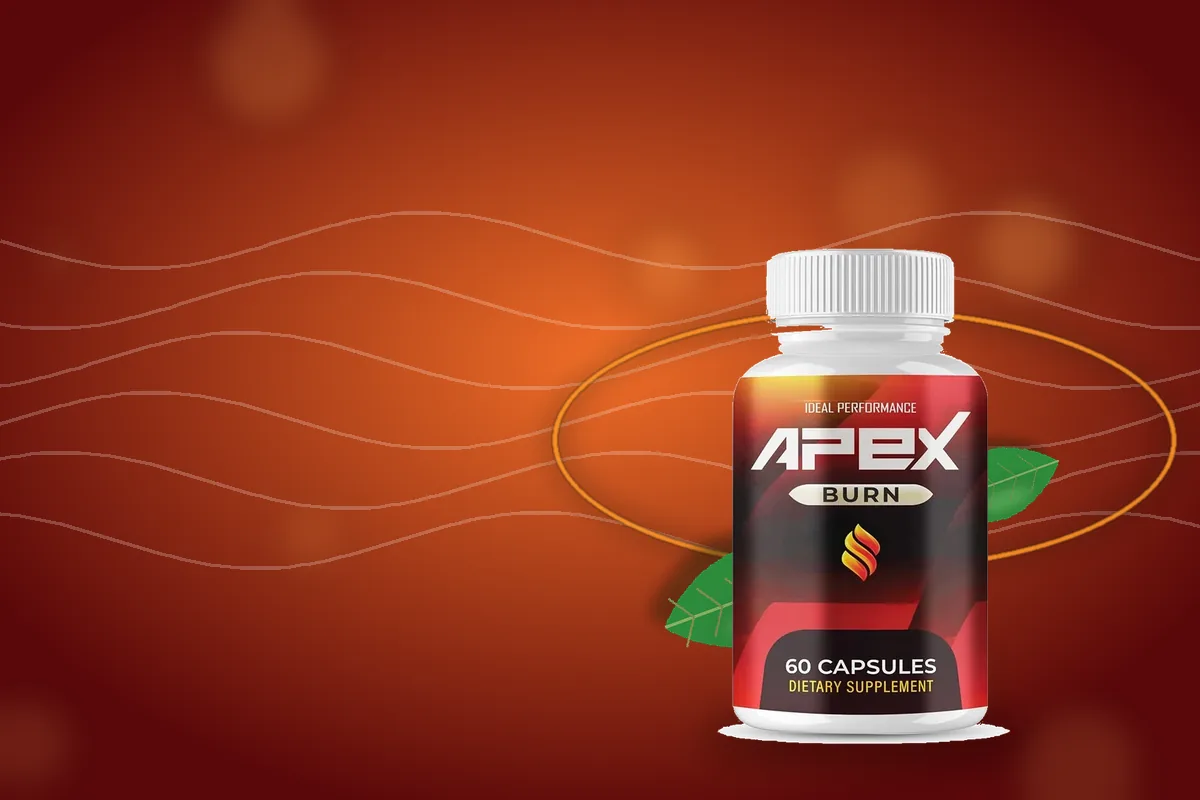
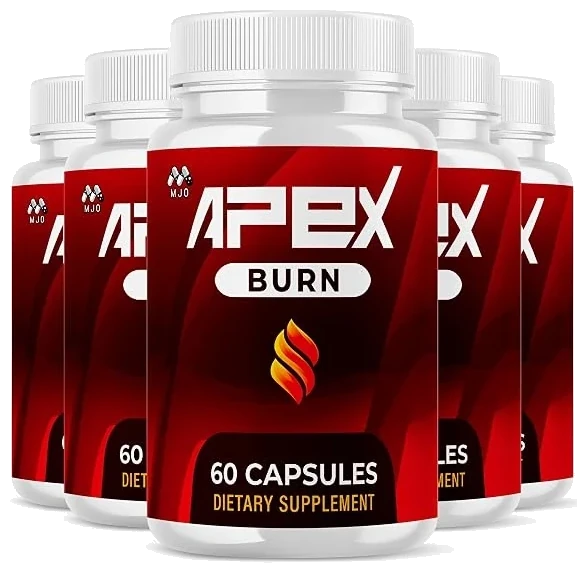
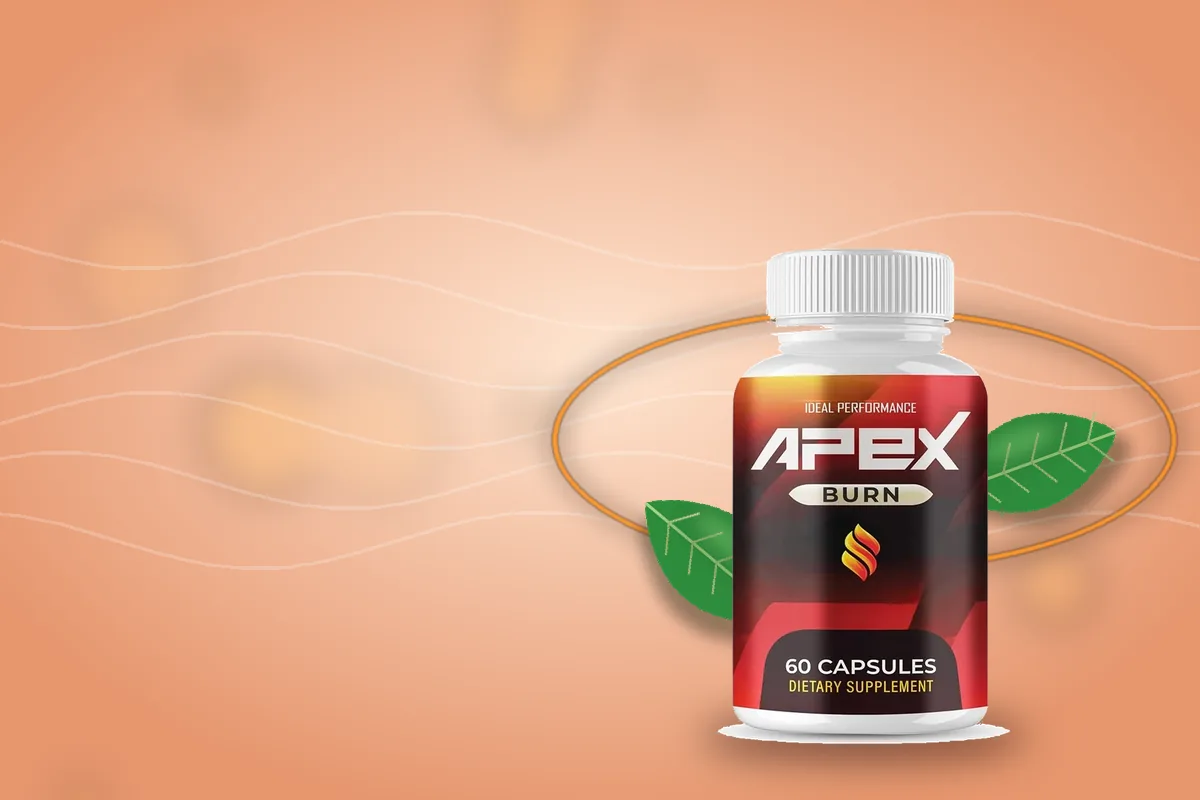
The front label identifies the product as a dietary supplement and lists the net quantity. On Apex Burn, for example, you'll see "Dietary Supplement" and "60 Capsules."
2. Serving size and servings per container
This tells you how much makes one serving and how long the bottle lasts. Apex Burn's serving is two capsules, so a 60-capsule bottle provides 30 servings, a one-month supply.
3. Dietary ingredients and proprietary blends
The Supplement Facts panel lists each dietary ingredient. When a company uses a proprietary blend, the ingredients in the blend are listed, often in descending order by weight, along with the blend's total amount, but individual amounts may not be shown. Apex Burn uses a proprietary blend of thermogenic botanicals and energy nutrients, so check the panel on your bottle for the complete ingredient list.
4. Other ingredients
Listed below the panel, these include capsule materials and any additives. It's the place to check if you have allergies or dietary preferences.
5. Directions and warnings
Follow the directions exactly, and read the warnings, which commonly cover pregnancy, nursing, age limits and medication interactions.
6. The FDA disclaimer
Structure/function statements ("supports a healthy metabolism") must be accompanied by a disclaimer noting the FDA hasn't evaluated the statement and that the product isn't intended to diagnose, treat, cure or prevent disease. Seeing it is normal, and its absence on such claims is a red flag.
For a buyer's checklist, read How to Evaluate a Weight-Management Supplement.
This article is for general education and is not medical advice. *These statements have not been evaluated by the FDA. This product is not intended to diagnose, treat, cure, or prevent any disease.